The Economic Benefits of Switching to Infarmight’s Smart Seedling Solution: A Cost-Benefit Analysis for Farmers
1. The New Agricultural Imperative: Why Smart Seedlings Matter
The global agricultural landscape is at a critical juncture. Farmers face mounting pressures from climate volatility, dwindling water resources, rising input costs, and the relentless demand for higher yields and consistent quality. Traditional farming methods, while foundational, are increasingly struggling to meet these modern challenges. The initial, most vulnerable, and arguably most critical phase of a crop’s life—the seedling stage—is often where the greatest risks and inefficiencies lie.
Infarmight, a leader in controlled environment agriculture (CEA), has introduced its Smart Seedling Solution (SSS) as a strategic answer to this dilemma. The SSS is not merely an upgrade; it represents a fundamental shift in how crops are started, leveraging advanced technology to ensure every plant begins its life cycle under optimal, predictable conditions. This post provides a rigorous, data-driven cost-benefit analysis (CBA) to demonstrate the compelling economic case for farmers to transition from conventional seedling practices to Infarmight’s SSS. Our analysis will move beyond simple cost comparison to quantify the long-term return on investment (ROI) and risk mitigation benefits.
2. Understanding the Infarmight Smart Seedling Solution (SSS)
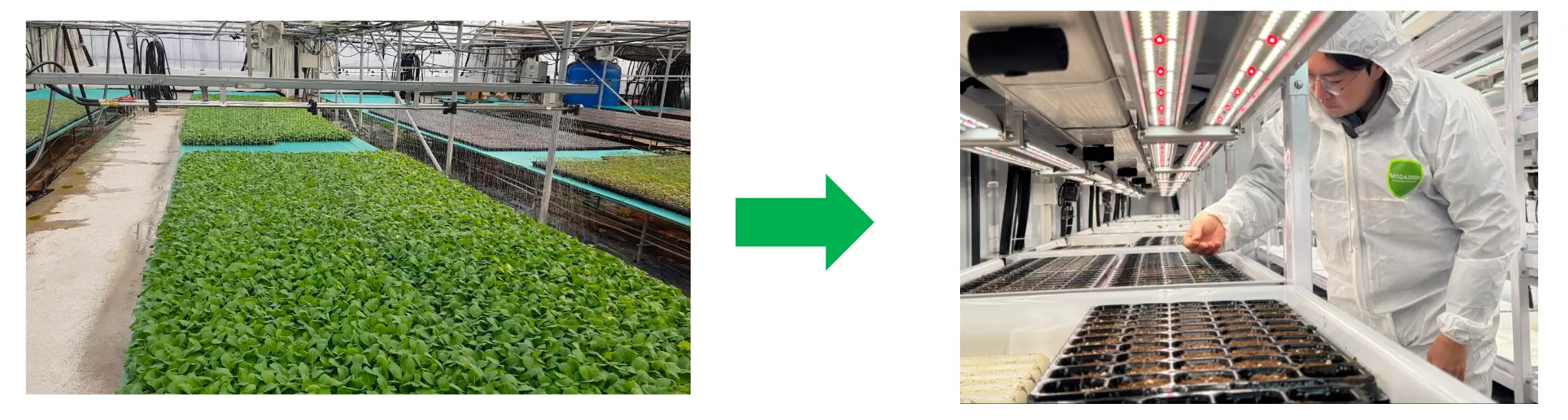
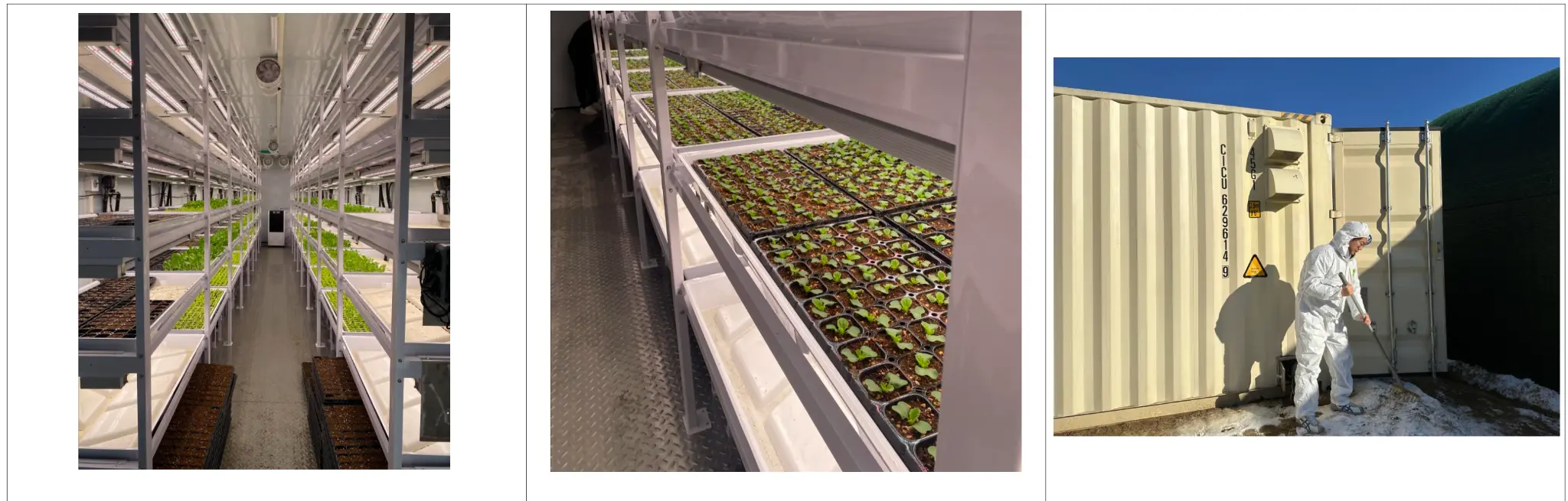
The Infarmight SSS is a modular, vertical farming system specifically engineered for the propagation of high-value crops. It integrates several cutting-edge technologies to create a hyper-optimized micro-climate for young plants.
Technological Pillars of the SSS
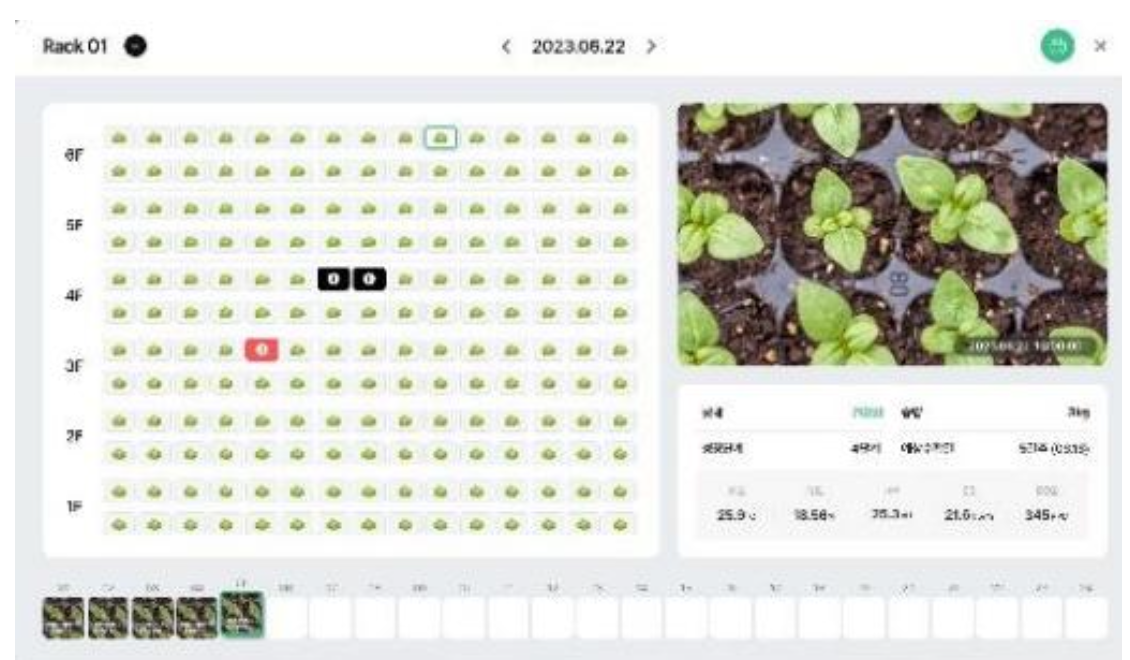
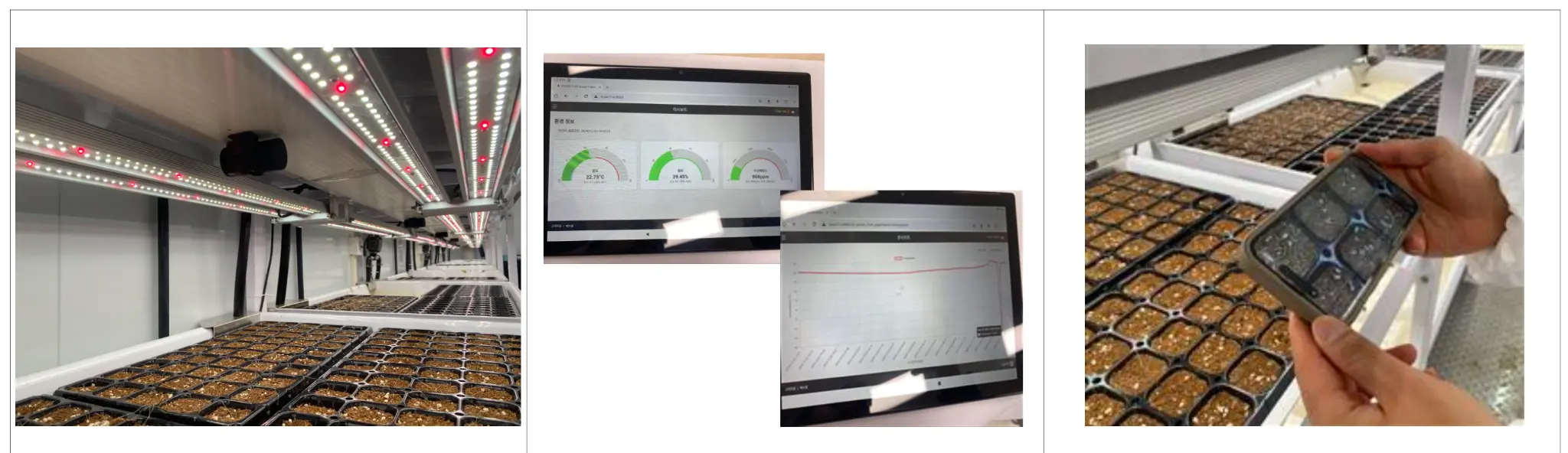
- Internet of Things (IoT) Sensors: A dense network of sensors continuously monitors environmental parameters, including temperature, humidity, CO2 levels, and nutrient concentration, providing real-time data.
- Artificial Intelligence (AI) Control: Proprietary AI algorithms process the sensor data to make instantaneous, precise adjustments to the environment. This ensures the plant’s needs are met at every hour of its development, eliminating the guesswork inherent in manual systems.
- Precision Nutrient Delivery: The system utilizes closed-loop hydroponics or aeroponics, delivering an exact, tailored nutrient solution directly to the roots, minimizing waste and maximizing uptake.
- Optimized LED Lighting: Custom-tuned LED light recipes provide the precise spectrum and intensity required for robust, rapid growth, leading to stronger, healthier transplants.
The core value proposition of the SSS is predictability and consistency. By controlling the environment from day one, Infarmight ensures that seedlings are not only ready for transplant faster but are also more resilient, leading to higher survival rates and more uniform growth in the field or greenhouse.
3. The Cost Side: Initial Investment and Operational Expenses
A CBA must first address the financial outlay required for adoption. The costs associated with the Infarmight SSS can be categorized into Capital Expenditure (CapEx) and Operational Expenditure (OpEx).
Capital Expenditure (CapEx)
The initial investment is the most significant barrier to entry. This includes:
- Hardware and Infrastructure: The modular vertical racks, specialized lighting, climate control units, and the nutrient delivery system.
- Installation and Integration: The cost of setting up the system and integrating it with existing farm infrastructure (e.g., water supply, power).
- Software Licensing and Training: Initial fees for the AI control software and comprehensive training for farm staff.
While the CapEx for the SSS is higher than building a conventional greenhouse or nursery, it is crucial to view this as a long-term asset with a lifespan far exceeding that of traditional plastic or glass structures. Furthermore, the modular design allows farmers to scale their investment incrementally, mitigating initial financial risk.
Operational Expenditure (OpEx)
The ongoing costs of running the SSS are different from traditional methods, often shifting from variable costs (like labor and pesticides) to fixed costs (like energy and maintenance).
| Operational Cost Factor | Traditional Nursery | Infarmight SSS | Economic Impact |
|---|---|---|---|
| Energy | Moderate (Heating/Cooling) | High (LEDs, Climate Control) | Increased OpEx, offset by yield. |
| Water | High (Evaporation, Runoff) | Very Low (Closed-loop system) | Significant Savings (up to 95%). |
| Pesticides/Fungicides | High (Preventative spraying) | Negligible (Sterile environment) | Near-Zero Cost and healthier plants. |
| Labor | High (Manual seeding, monitoring) | Low (Automated monitoring, minimal handling) | Major Savings and reduced human error. |
| Nutrients | Moderate (Bulk fertilizers) | Moderate (Specialized, precise dosing) | Efficiency Gain through precision. |
The primary OpEx increase is in energy consumption due to the controlled environment. However, this cost is systematically outweighed by the dramatic reductions in water, pesticide, and labor expenses, as detailed in the benefits section.
4. Quantifying the Benefits: Revenue Generation and Yield Optimization
The economic benefits of the SSS are realized through two main channels: direct cost savings and enhanced revenue generation.
Direct Cost Savings (Reduced Input)
As highlighted in the OpEx table, the SSS drastically cuts down on resource consumption:
- Water Efficiency: Hydroponic systems can use up to 95% less water than field farming, a critical saving in drought-prone regions.
- Chemical Reduction: The sterile, controlled environment virtually eliminates the need for pesticides and fungicides, saving money and producing a cleaner, more marketable product.
- Labor Optimization: Automation of environmental control and monitoring frees up skilled labor to focus on other high-value tasks on the farm.
Enhanced Revenue Generation (Increased Output)
The most significant economic driver is the improvement in the quality and quantity of the output:
A. Increased Yield and Faster Cycles
The SSS accelerates the seedling stage. By providing perfect conditions 24/7, the time from seed to transplant-ready plant is often reduced by 20-40%. This allows farmers to achieve more growth cycles per year, effectively increasing the annual yield capacity of their entire operation without expanding land area. Furthermore, the high-density vertical stacking maximizes the output per square foot of the nursery space.
B. Near-Zero Seedling Loss
In traditional nurseries, losses due to damping-off, disease, pests, or inconsistent climate can range from 5% to 20%. The SSS reduces this loss to near-zero. Every seed planted has a maximized chance of becoming a viable, high-quality transplant, translating directly into higher final harvest yields.
C. Product Consistency and Premium Pricing
The uniformity of SSS-grown seedlings is unparalleled. Every plant is the same size, same health, and same developmental stage. This consistency is highly valued by commercial buyers and processors, often commanding a premium price in the market. The ability to guarantee a consistent supply of high-quality transplants year-round also strengthens a farmer’s negotiating position.
5. Detailed Cost-Benefit Analysis (CBA) Model
To provide a clear financial picture, we present a hypothetical 5-year projection comparing a traditional 1,000 sq. ft. nursery operation with an equivalent Infarmight SSS installation. This analysis uses standard CBA metrics, including Net Present Value (NPV) and Payback Period, assuming a conservative discount rate of 8%.
Assumptions for the Model
| Parameter | Traditional Nursery | Infarmight SSS |
|---|---|---|
| Initial CapEx | $20,000 | $150,000 |
| Annual Seedling Output | 500,000 units | 800,000 units (due to faster cycles & density) |
| Seedling Loss Rate | 10% | 1% |
| Cost per Viable Seedling (OpEx) | $0.15 | $0.12 (Lower due to efficiency) |
| Annual Labor Cost | $30,000 | $10,000 (Automation) |
| Annual Water/Pesticide Savings | $0 | $5,000 |
| Annual Energy Cost | $5,000 | $15,000 |
Hypothetical 5-Year Financial Projection
The following table illustrates the cumulative cash flow over five years, demonstrating the crossover point where the SSS investment begins to generate superior returns.
| Year | Traditional Nursery (Cumulative Cash Flow) | Infarmight SSS (Cumulative Cash Flow) | Differential (SSS – Traditional) |
|---|---|---|---|
| 0 (Initial CapEx) | -$20,000 | -$150,000 | -$130,000 |
| 1 | -$10,000 | -$70,000 | -$60,000 |
| 2 | $5,000 | -$10,000 | -$15,000 |
| 3 | $25,000 | $50,000 | $25,000 |
| 4 | $50,000 | $120,000 | $70,000 |
| 5 | $80,000 | $200,000 | $120,000 |
Note: Cash flow is calculated as (Revenue from Viable Seedlings – Annual OpEx).
Key Findings from the CBA:
- Payback Period: The Infarmight SSS achieves a payback period of approximately 2.5 years, crossing the cumulative cash flow of the traditional system in Year 3.
- Net Present Value (NPV): At the end of Year 5, the SSS shows a significantly higher NPV, confirming its superior long-term financial viability compared to the traditional system. The initial higher CapEx is quickly amortized by the substantial annual operational savings and revenue gains.
6. The Hidden Savings: Resource Efficiency and Labor Reduction
Beyond the direct financial metrics, the SSS delivers critical, often-overlooked benefits that contribute to the farm’s overall economic health and resilience.
Labor Efficiency and Quality of Work
The automation within the SSS drastically reduces the need for low-skill, repetitive labor associated with manual seeding, watering, and pest inspection. This addresses two major challenges:
- Labor Shortages: Farms can maintain or increase production with a smaller, more specialized workforce.
- Reduced Human Error: Automated, AI-driven processes eliminate inconsistencies caused by human fatigue or inexperience, ensuring every seedling receives identical, optimal care.
Environmental Stewardship and Brand Value
In today’s market, sustainability is a powerful economic asset. The SSS’s minimal water usage and near-zero pesticide requirement allow farmers to market their final produce as environmentally responsible. This not only appeals to a growing segment of conscious consumers but also future-proofs the operation against increasingly stringent environmental regulations. The economic value of a strong, sustainable brand identity is substantial and growing.
7. Risk Mitigation and Long-Term Sustainability
The Infarmight SSS acts as a powerful risk management tool, providing a level of operational stability that traditional farming cannot match.
Climate Resilience
By moving the critical seedling phase indoors into a controlled environment, the SSS completely insulates the farm from external climate shocks—be it drought, excessive heat, or unexpected freezes. This guaranteed supply of healthy transplants is an invaluable insurance policy, ensuring that the main crop cycle can proceed on schedule regardless of weather volatility. This stability is a key factor in securing long-term contracts and financing.
Pathogen and Pest Control
The closed-loop, sterile environment is the ultimate defense against common agricultural diseases and pests. By preventing these issues at the seedling stage, the SSS reduces the risk of widespread contamination in the main field or greenhouse, saving millions in potential crop losses and remediation costs.
Future-Proofing the Farm
Investing in the SSS is an investment in agricultural technology that is aligned with global trends toward precision agriculture and resource conservation. It positions the farm as a leader in innovation, making it more attractive to younger generations of farmers, investors, and strategic partners. The data collected by the SSS also provides a valuable asset for continuous process improvement and predictive analytics.

8. Conclusion: A Strategic Investment for the Future
The decision to adopt Infarmight’s Smart Seedling Solution is a strategic one, moving the farm from a reactive, weather-dependent operation to a proactive, data-driven enterprise. While the initial capital investment is higher, the comprehensive cost-benefit analysis clearly demonstrates that the SSS offers a superior financial outcome over a five-year horizon.
The economic benefits are multifaceted:
- Accelerated Payback: A rapid return on investment, often within 2.5 years.
- Superior Yield: Substantially higher annual output due to faster cycles and near-zero loss.
- Operational Efficiency: Dramatic savings in water, pesticides, and labor costs.
- Risk Reduction: Unmatched resilience against climate change and biological threats.
For the modern farmer seeking to maximize profitability, ensure supply chain stability, and build a sustainable operation for the next generation, the Infarmight Smart Seedling Solution is not just a viable option—it is the essential foundation for future success. The economic data confirms that the time to switch is now.